
About The Workshop
Artificial intelligence has reached a pivotal stage. Breakthroughs in reinforcement learning, large language models, and embodied systems have redefined the frontier of autonomous agents. Yet, the prevailing paradigm of train once, deploy once reveals a critical limitation: current systems shine on static benchmarks, but falter in dynamic, evolving environments. They struggle to adapt to shifting user needs, new contexts, or long-term operation, undermining robustness, trustworthiness, and societal utility.
The paradigm of the lifelong agent offers a way forward. Such agents are not static products but dynamic processes: they learn continuously, align with human preferences, and expand their capabilities responsibly over time. They must consolidate knowledge without catastrophic forgetting, refine skills while maintaining value-consistency, and evolve strategies that remain safe, efficient, and sustainable under real-world constraints. Developing lifelong agents is not merely a technical challenge—it is essential for building AI systems that endure, adapt, and serve responsibly in practice.
Many research areas already explore key ingredients—continual learning, reinforcement learning, post-training adaptations, preference alignment, memory architectures, efficiency methods for resource-constrained deployment, and oversight frameworks. However, these discussions often remain siloed. This workshop provides the first unified forum to bridge these efforts, reframing intelligence as a process that learns, aligns, and evolves across an agent’s lifespan. We aim to establish shared principles, surface open challenges, and chart a roadmap toward AI agents that persist and grow over time.
Topics
Our topics include but are not limited to:
Continual fine-tuning, instruction alignment, domain shift adaptation, agentic reinforcement learning, and tool-use strategies for long-term competence.
Safe and trustworthy adaptation, preference learning under evolving goals, personalization with fairness and accountability, and oversight mechanisms to prevent alignment drift.
Memory-augmented systems, autonomous refinement of reasoning and representations, discovery of new strategies and skills, self-improvement loops, and emergent behaviors in open-ended settings.
Multimodal and embodied agents, robotics, adaptive perception-action loops, scientific and enterprise agents, and rigorous benchmarks for deployment in uncertain environments.
Cooperation, competition, negotiation, long-term coordination, and collective intelligence across evolving agent societies and human-AI ecosystems.
Energy-aware learning, compute-efficient inference, adaptive resource allocation, and scalable design principles for agents that endure in the real world.
Metrics and testbeds for adaptability, persistence, alignment, and safety across long horizons, enabling systematic assessment and comparison of approaches.
Financial Assistance
We are pleased to share that the Lifelong Agent Workshop has received generous sponsorship to offer student author registration compensation for selected participants.
This support is primarily intended to facilitate in-person participation at both the conference and our workshop, especially for authors of accepted papers.
Our Goals
- Support broad and inclusive participation in the workshop.
- Prioritize applicants who demonstrate a strong need for financial assistance and who currently do not have other funding support.
- Provide reimbursement for the conference/workshop registration fee to a limited number of selected applicants who meet the eligibility criteria.
How to Apply
If you are interested in applying, please submit your application through the following link: Financial Assistance Application Form.
Please note that the deadline for financial support applications is March 31, 2026, at 23:59 AoE. This is a hard deadline, and we will not be able to make exceptions after that time.
Call For Papers
The Workshop on Lifelong Agent @ ICLR 2026 invites submissions on the development of lifelong agents that can continuously learn, maintain stable alignment, and sustainably evolve over extended deployment. We welcome novel architectures, algorithms, theoretical analyses, empirical studies, benchmarks, and real-world applications spanning topics such as agent post-training, agentic RL, user-agent alignment, self-evolving agents, embodied lifelong agents, and agents for science. Submissions must present original, unpublished research.
Key Dates
- Suggested Submission Date for Workshop Contributions: February 15, 2026, AoE
- Mandatory Accept/Reject Notification Date: March 1, 2026, AoE
- Workshop Date: April 26 or April 27, 2026
Submission Site
Submissions will be managed via OpenReview. Papers will remain private during the review process. All authors must maintain up-to-date OpenReview profiles to ensure proper conflict-of-interest management and paper matching. Incomplete profiles may result in desk rejection.
Learn how to create an OpenReview profile here.
Submit papers through the ICLR 2026 Workshop Submission Portal on OpenReview (Lifelong Agent Workshop Submission Portal).
Scope
We welcome contributions across a broad spectrum of topics related to our themes. Accepted papers will be presented as posters, with a subset selected for oral presentations. The workshop will take place in person at ICLR 2026, with virtual participation options to be confirmed.Submission Guidelines
Tiny Paper Statement
Since 2025, ICLR has discontinued the separate Tiny Papers track, and is instead requiring each workshop to accept short (3-5 pages in ICLR format, exact page length to be determined by each workshop) paper submissions, with an eye towards inclusion; see here for a history of the ICLR tiny papers initiative. Authors of these papers will be earmarked for potential funding from ICLR, but need to submit a separate application for Financial Assistance that evaluates their eligibility. This application for Financial Assistance to attend ICLR 2026 will become available on here at the beginning of February and close early March.Formatting Requirements
Submissions must be in English and follow the ICLR 2026 LaTeX Template.Papers must be submitted as a single PDF file:
- Full Papers: at most 9 pages (main text)
- Tiny Papers: at most 5 pages (main text)
- References and appendices are not included in the page limit, but the main text must be self-contained. Reviewers are not required to read beyond the main text.
Submissions exceeding the page limit will be desk rejected.
Anonymity
The workshop follows a double-blind review process. Submissions must be anonymized by removing author names, affiliations, and acknowledgments. Prior work should be cited in the third person. Identifying information, including in supplementary materials, must be omitted.Dual Submission and Non-Archival Policy
ICML and ACL submissions are welcome to submit to our workshop. You can submit your work if it's currently under review at other venues. Papers that are accepted after their submission deadline will not need to withdraw from our workshop, since the workshop is not archival.
Transparency
By submitting to the workshop, authors agree that for all accepted papers, the original submission, reviews, and meta-reviews will be made publicly available on OpenReview.Speakers and Panelists



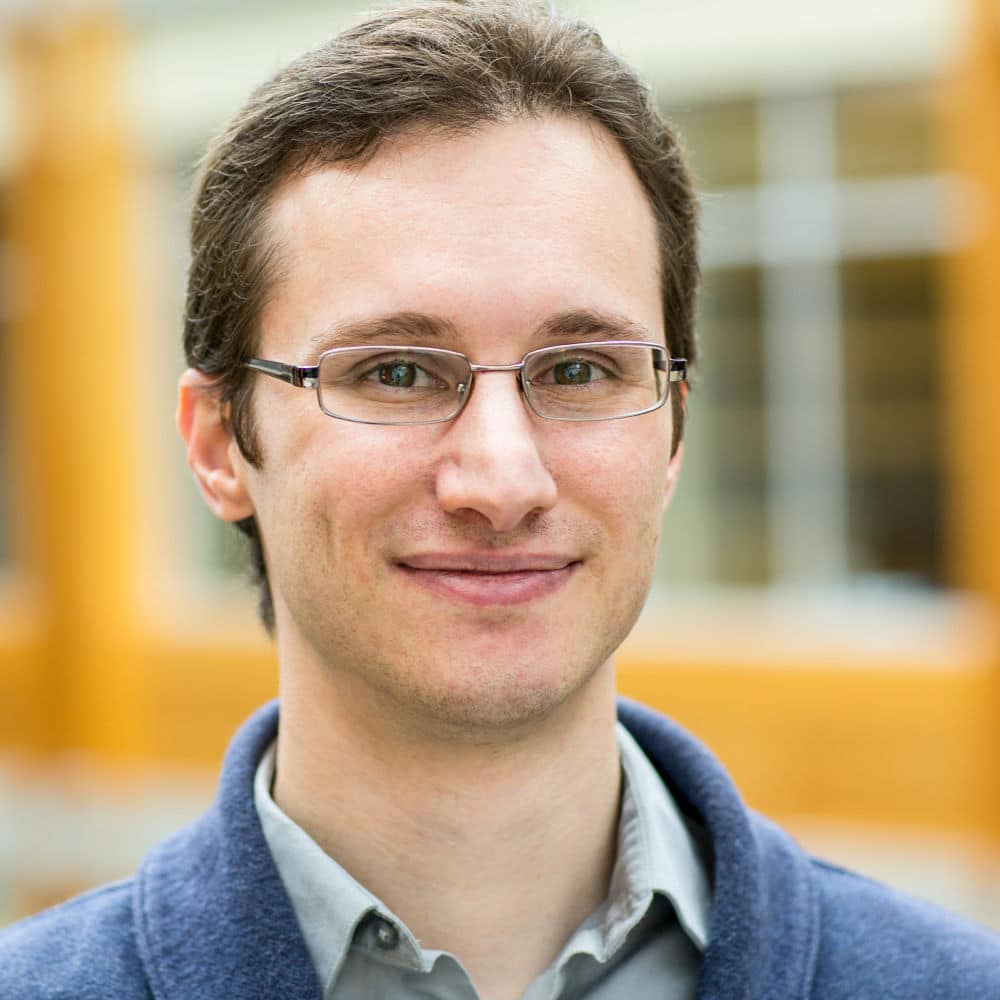

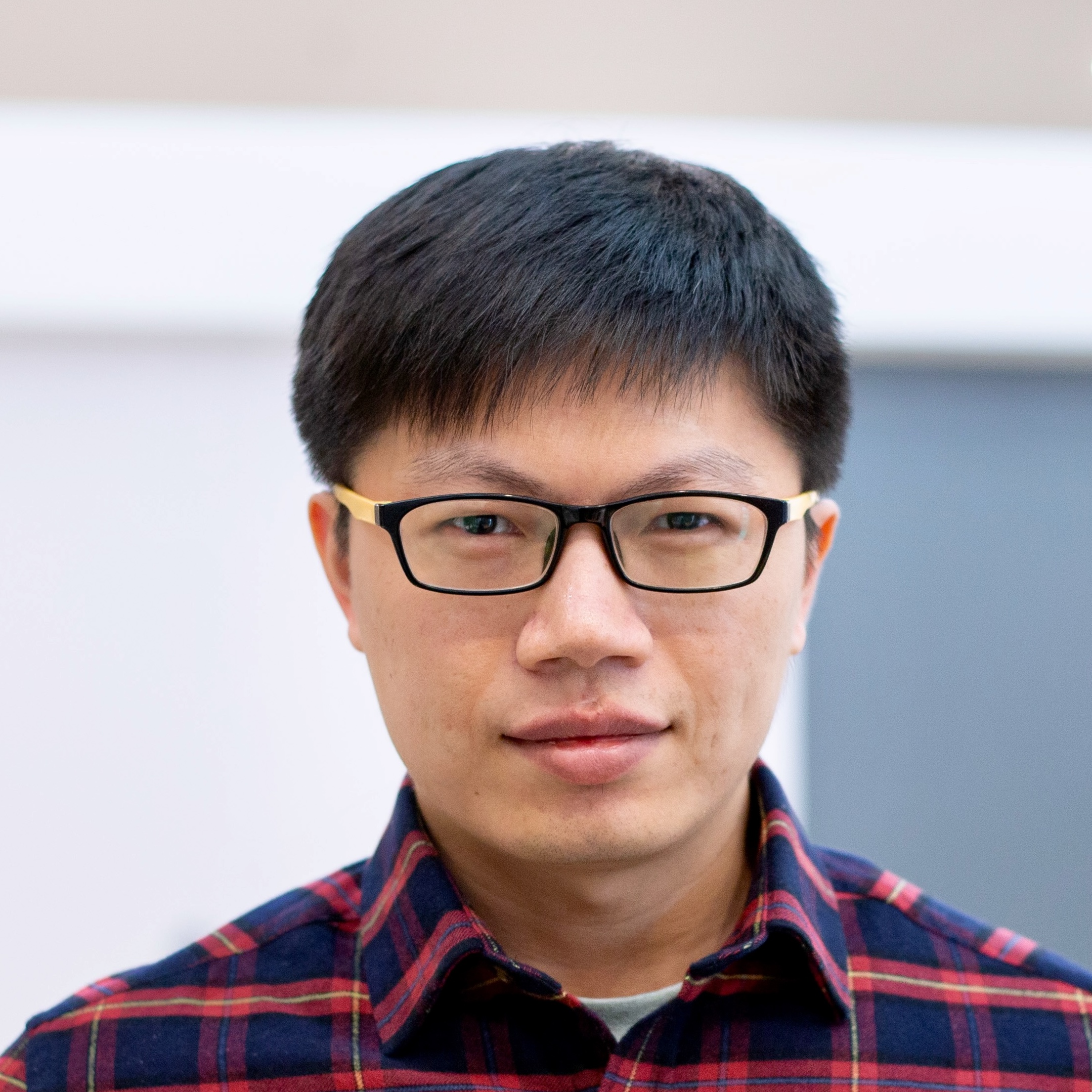
Schedule
Tentative workshop schedule. All talks include a Q&A session.
| Time (PDT) | Session | Speaker | |
|---|---|---|---|
| 08:45 – 09:00 | Opening Remarks | Organizers | |
| 09:00 – 09:30 | Invited Talk 1 | Graham Neubig (Carnegie Mellon University / All Hand AI) | |
| 09:30 – 10:00 | Invited Talk 2 | Azalia Mirhoseini (Stanford University / Google Deepmind) | |
| 10:00 – 11:00 | Coffee Break & Poster Session 1 | TBA | |
| 11:00 – 11:30 | Oral Presentations (10 minutes each) | TBA | |
| 11:30 – 12:00 | Invited Talk 3 | Siva Reddy (McGill University / Mila) | |
| 12:00 – 12:30 | Panel Discussion I | TBA | |
| 12:30 – 13:30 | Lunch | ||
| 13:30 – 14:00 | Invited Talk 4 | Sergey Levine (UC Berkeley) | |
| 14:30 – 15:00 | Invited Talk 5 | Asli Celikyilmaz (Meta FAIR) | |
| 15:00 – 16:00 | Coffee Break & Poster Session II | TBA | |
| 16:00 – 16:30 | Invited Talk 6 | Yu Su (Ohio State University) | |
| 16:30 – 17:00 | Panel Discussion II | TBA | |
| 17:00 – 17:15 | Awards and Closing Remarks | Organizers | |
Organizers
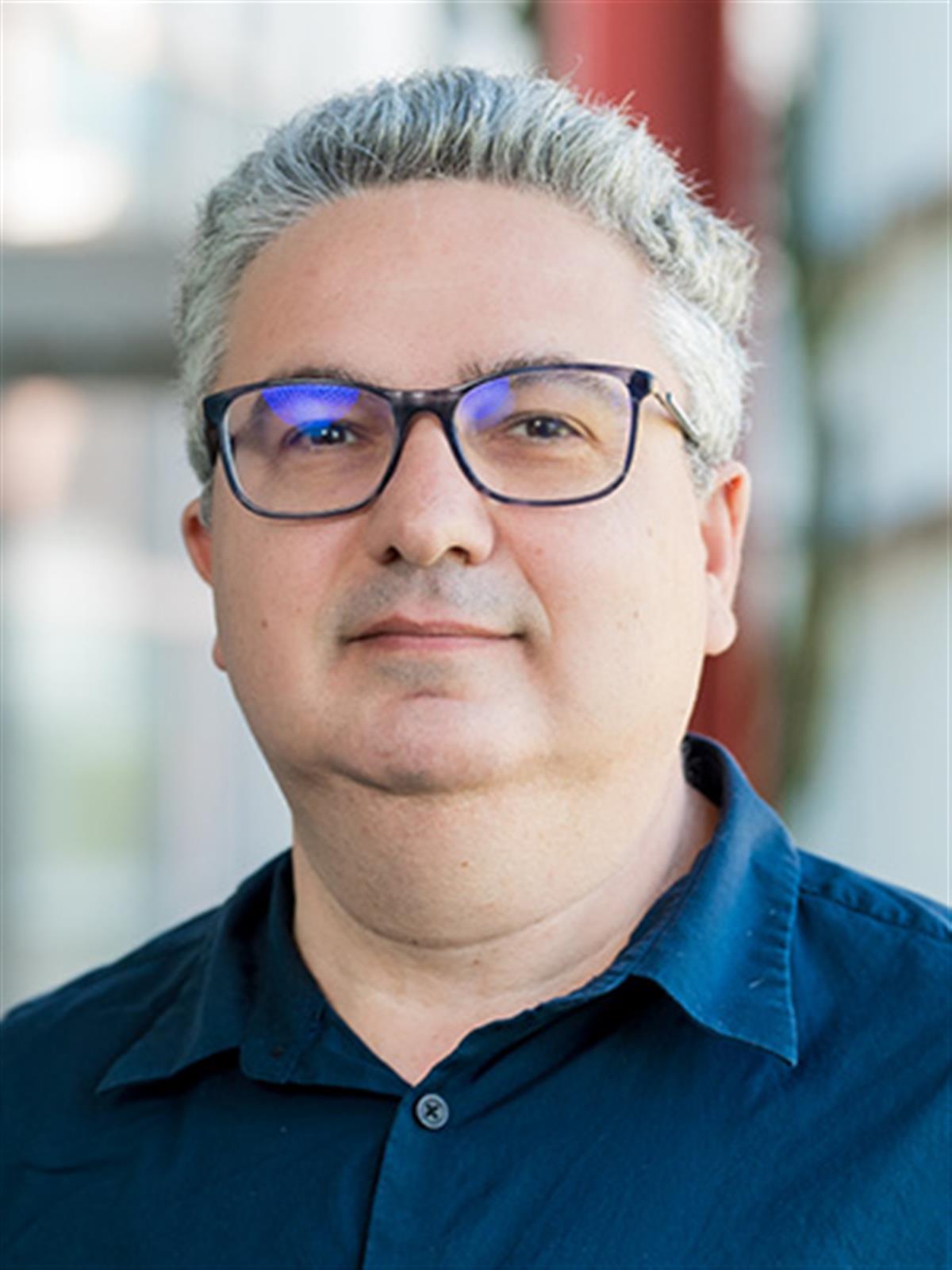
This workshop is organized by


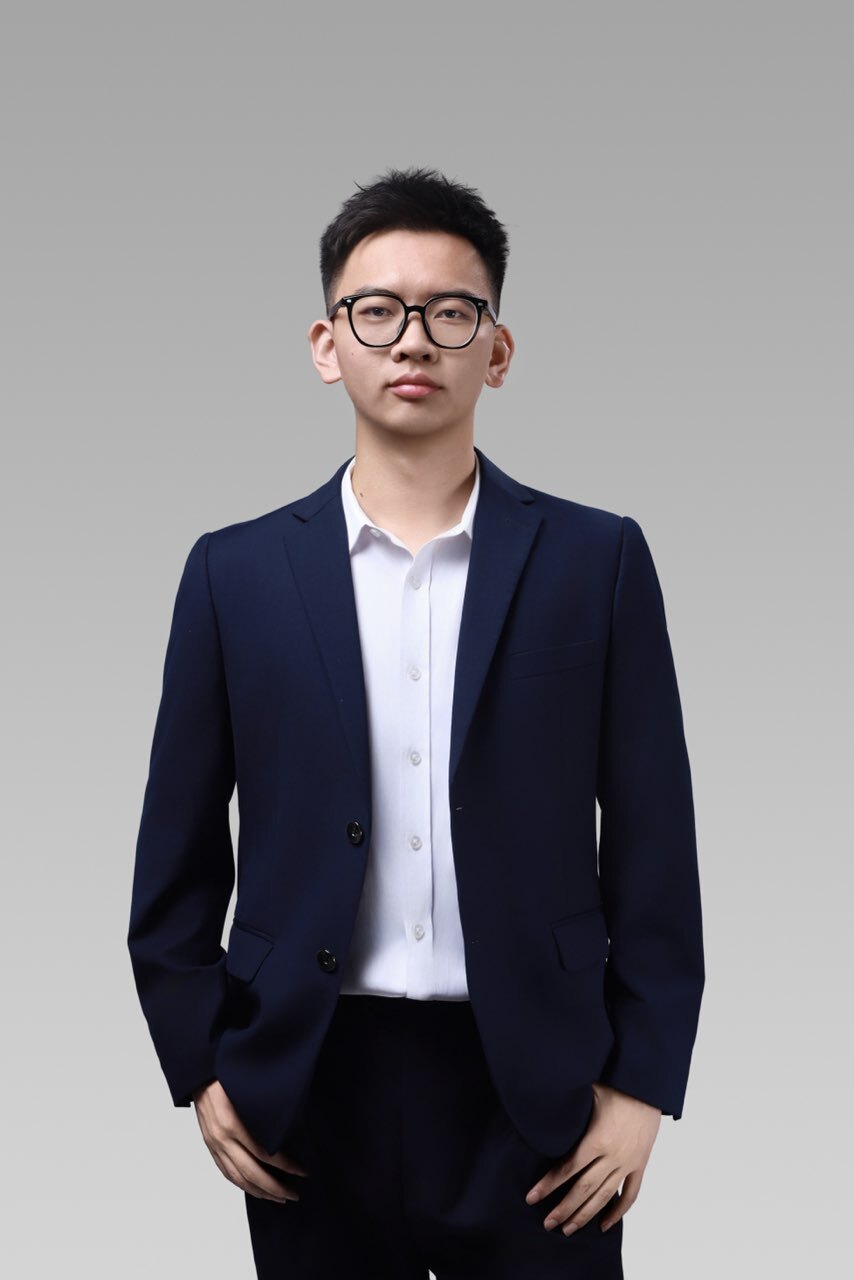



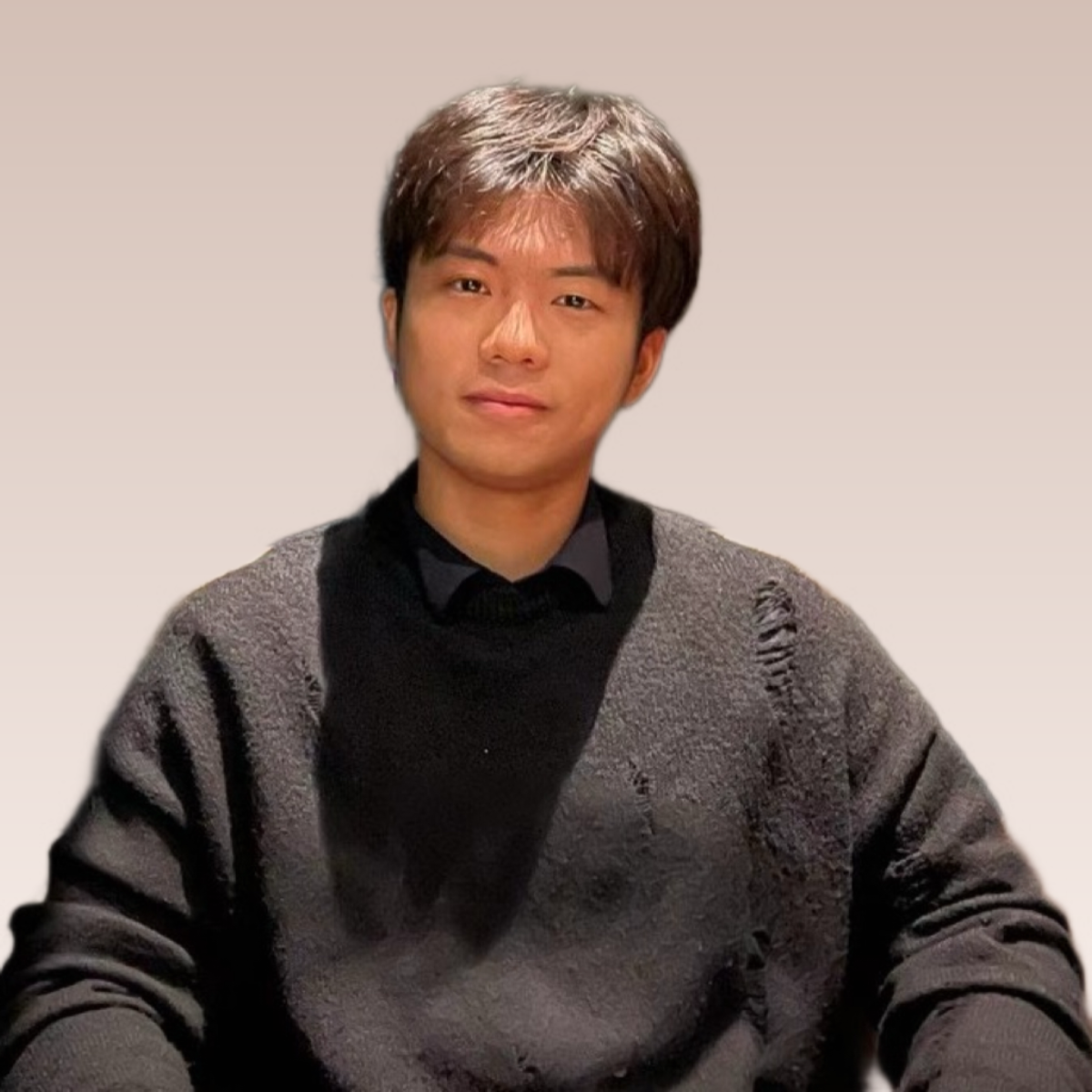
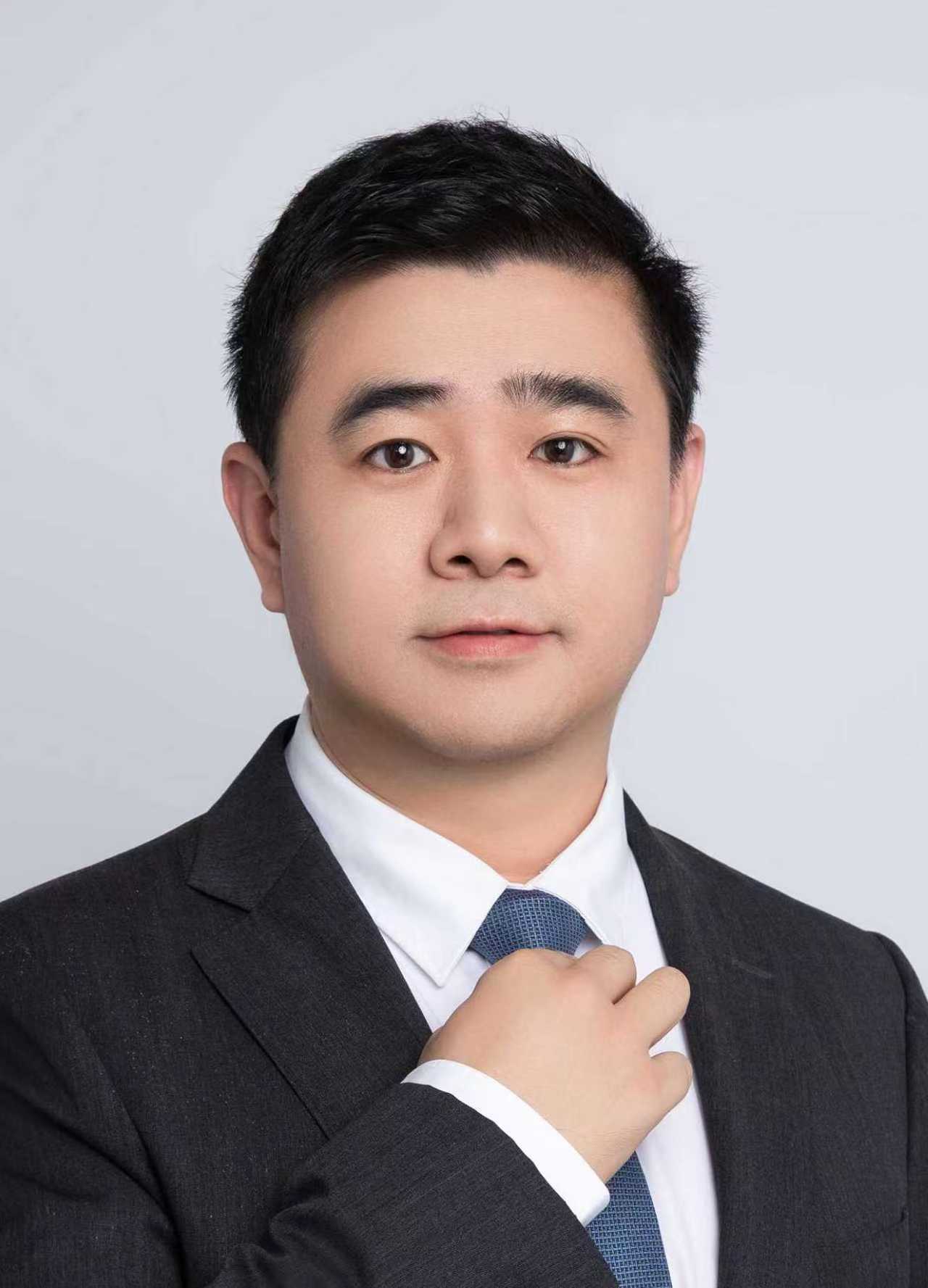
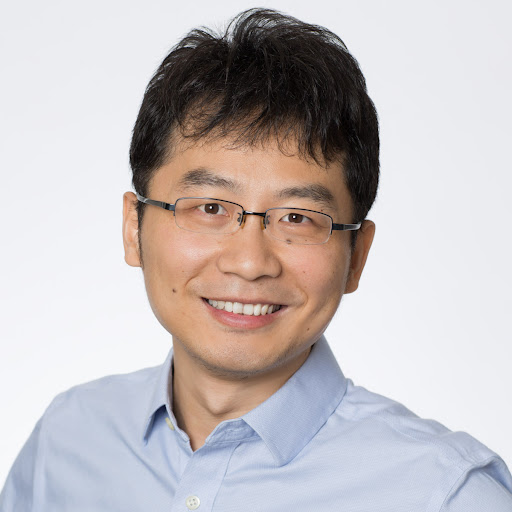
Advisory Board
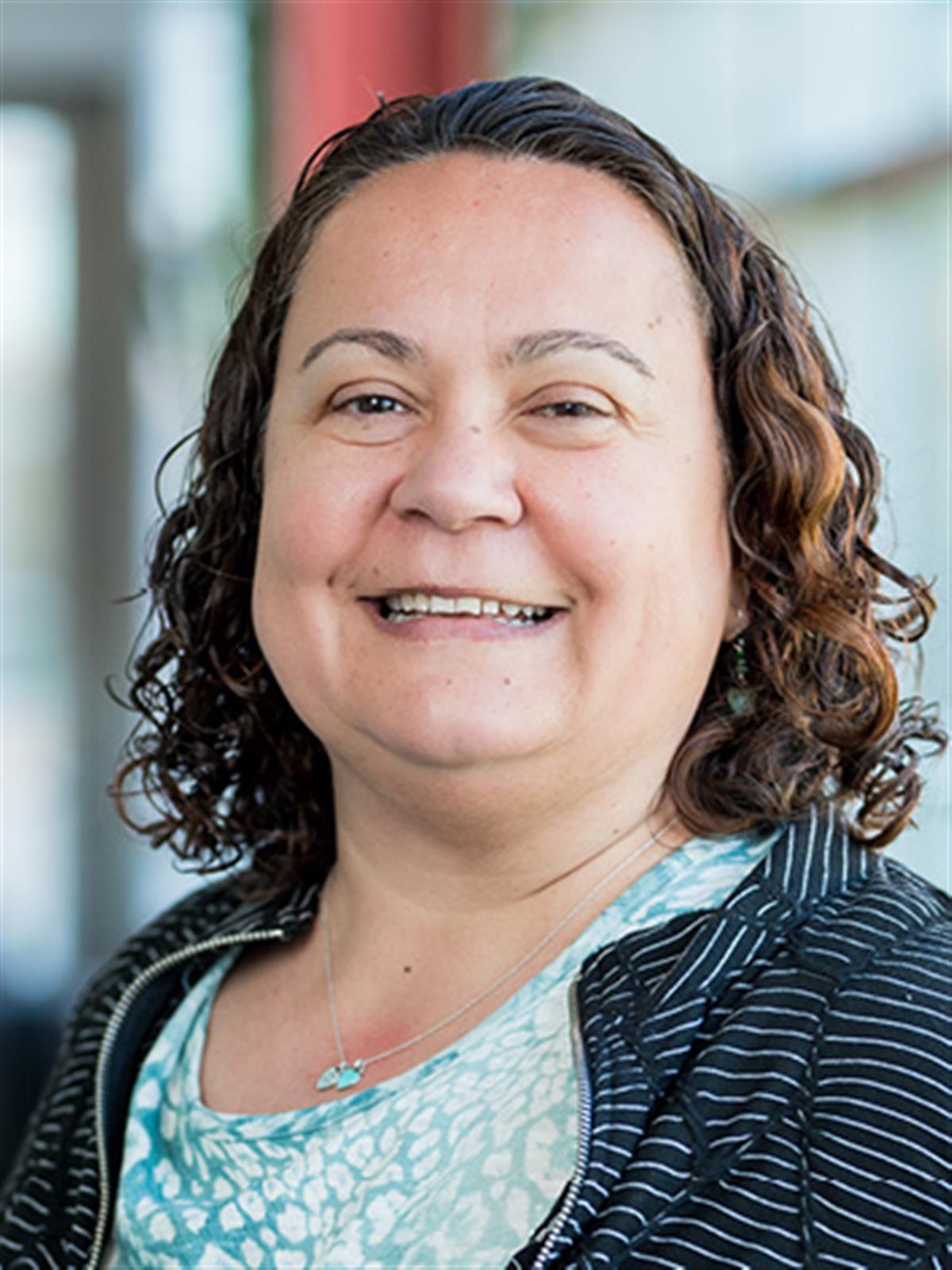
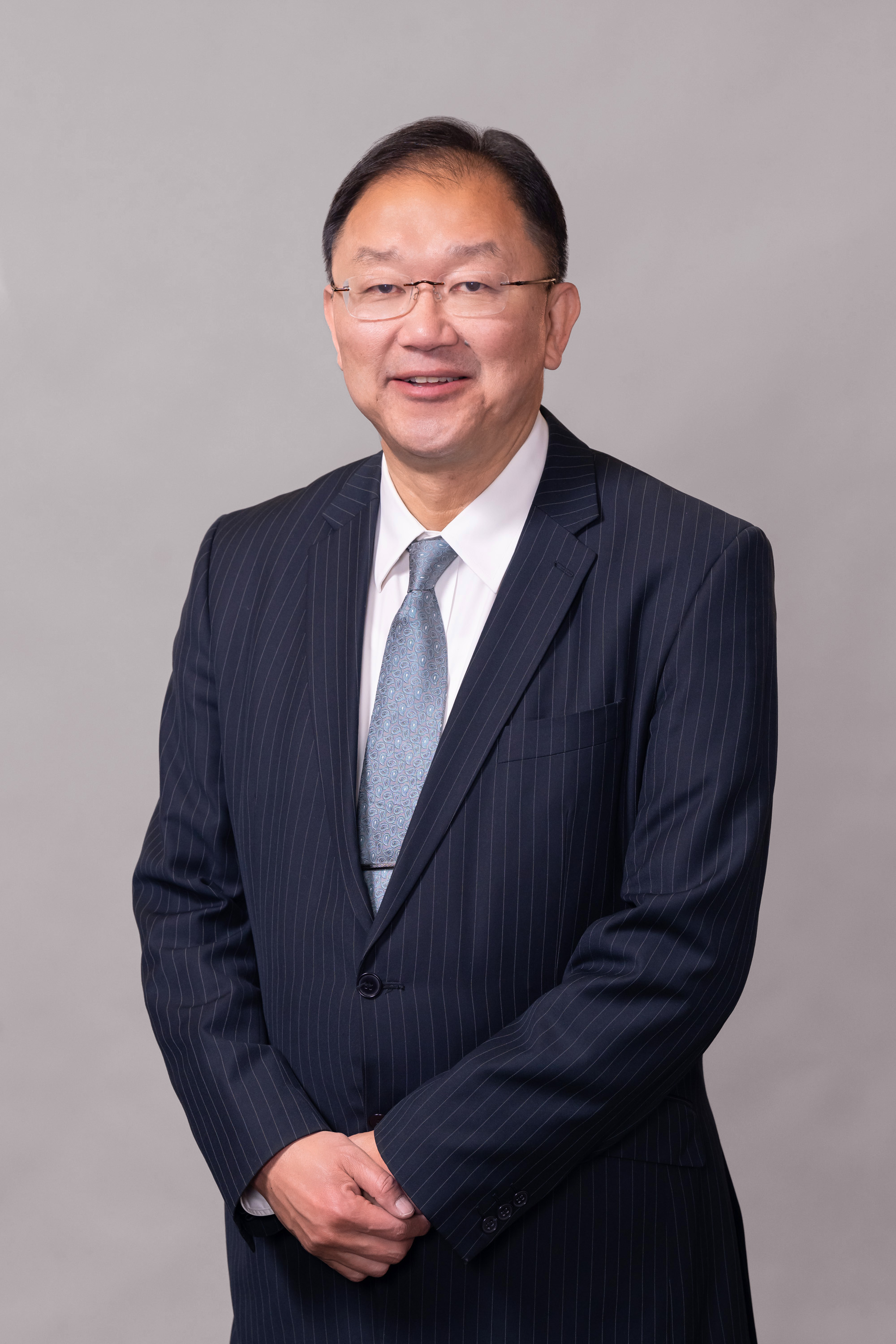
This workshop is advised by



Sponsors and Partners

Oumi AI

Salesforce AI Research

Tencent

Media Partner: Ji Qi Zhi Xin